
¿Debería suspender los medicamentos para la artritis por las vacunas?
Tomarse un descanso de algunos medicamentos para la artritis puede marcar una diferencia en la protección de las vacunas.
Por Linda Rath | 8 de enero de 2026
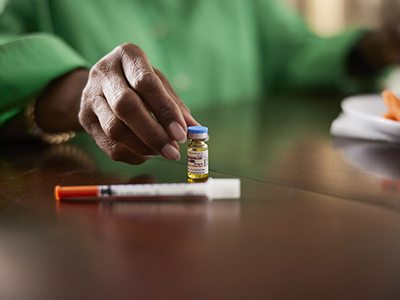 Las enfermedades inflamatorias autoinmunes, como la artritis reumatoide (AR) y la artritis psoriásica (AP), y los medicamentos utilizados para tratarlas debilitan la capacidad del sistema inmunitario para combatir enfermedades infecciosas como la gripe y el COVID. Por eso es más importante que las personas con estas afecciones se vacunen contra las enfermedades infecciosas. Pero al mismo tiempo, los medicamentos inmunodepresores como el metotrexato también hacen que muchas vacunas sean menos eficaces, por lo que el momento puede ser clave.
Vacuna contra el COVID
Según un informe de la Sociedad Americana de Enfermedades Infecciosas, la vacuna contra el COVID suele tener una eficacia de entre el 33% y el 56% para las personas con un sistema inmunitario comprometido. Tomarse unas "vacaciones de los medicamentos" puede aumentar su eficacia.
Las pautas del American College of Rheumatology (ACR) recomiendan suspender el metotrexato durante dos semanas después de recibir una vacuna contra el COVID. Las personas que dejan de tomar metotrexato desarrollan significativamente más anticuerpos que las que no lo hacen.
Sin embargo, un análisis de 2024 de cuatro estudios en los que participaron más de 700 personas mostró que suspender el metotrexato provocaba muchos más brotes que cuando no se suspende. Cualquier pausa en la medicación debe ser monitoreada cuidadosamente, y la decisión de suspender el metotrexato depende de la edad del paciente, el tipo de enfermedad autoinmune, la dosis del medicamento y otros factores. Esto coincide con lo que ha señalado la reumatóloga de la Cleveland Clinic, Cassandra Calabrese, quien ha citado los desafíos de hacer recomendaciones generales de vacunas para todas las personas con una enfermedad reumática. En cambio, ha dicho que las decisiones sobre las vacunas deben ser individualizadas para cada paciente.
A pesar de limitar las vacunas contra el COVID para los grupos de menor riesgo, los Centros para el Control y la Prevención de Enfermedades (CDC) alentaron en noviembre de 2025 a los adultos mayores de 65 años y a las personas inmunodeprimidas a recibir dos inyecciones de la vacuna actual con un intervalo de dos a seis meses. Los estudios muestran que la protección desaparece considerablemente después de cuatro a seis meses.
Vacuna contra la gripe
A principios de enero de 2026, los CDC cambiaron las antiguas pautas de vacunación contra la gripe al dejar de exigirla para bebés y niños. Los niños aún pueden recibir la vacuna si un médico lo recomienda después de una toma de decisiones compartida, según los CDC. La American Academy of Pediatrics y otras organizaciones pediátricas importantes continúan recomendando la vacuna contra la gripe para la mayoría de los niños.
Los CDC y el ACR están de acuerdo en que los adultos mayores de 65 años y las personas inmunodeprimidas deben recibir una vacuna anual de dosis alta o con adyuvante. (Los adyuvantes son sustancias que se agregan a las vacunas para hacerlas más eficaces y, en general, mejorar la respuesta inmunitaria para la mayoría de las personas).
Muchos ensayos clínicos han demostrado que suspender el metotrexato , una droga antirreumática modificadora de la enfermedad (DMARD), durante dos semanas después de la vacuna contra la gripe aumenta su eficacia. No es necesario pausar ninguna otra DMARD después de la vacuna contra la gripe.
El rituximab (Rituxan, Riabni, Ruxience, Truxima) hace que las vacunas sean menos eficaces. Algunos estudios muestran que la vacuna contra la gripe es más eficaz si se administra alrededor de 6 meses después del rituximab. Sin embargo, el momento es complicado porque los pacientes reciben rituximab una vez cada seis meses, por lo que no existe una pauta específica con respecto al momento en que se realizará. Lo mejor es hablar con su médico sobre cuándo es el mejor momento para vacunarse contra la gripe si recibe infusiones de rituximab.
Vacuna antineumocócica (neumonía)
Los CDC recomiendan una vacuna contra la neumonía para protegerse contra infecciones pulmonares graves, meningitis e infecciones de los senos paranasales, del oído y del torrente sanguíneo. El ACR recomienda la vacuna para cualquier persona mayor de 18 años que tome medicamentos inmunodepresores. El ACR no sugiere suspender el metotrexato después de una vacuna contra la neumonía, pero otros expertos sí lo hacen, según estudios recientes. Las personas que toman rituximab deben vacunarse y retrasar la infusión de rituximab durante al menos dos semanas después. Tomarse un descanso de los productos biológicos, como los bloqueadores del factor de necrosis tumoral (TNF) y los inhibidores de la cinasa Jano (JAK), no ayuda a la respuesta inmunitaria y puede provocar brotes de la enfermedad.
Vacuna contra el herpes zóster (varicela zóster)
Tanto los CDC como el ACR recomiendan la vacuna contra el herpes zóster Shingrix para pacientes autoinmunes a partir de los 18 años. No se sabe si se necesita una segunda dosis cuando la inmunidad disminuye. Para quienes toman rituximab, es mejor recibir la vacuna y retrasar la infusión de rituximab durante al menos dos semanas.
Las personas inmunodeprimidas pueden tener una reacción a veces grave al adyuvante de Shingrix, que incluye fiebre y dolores corporales. Estos pueden confundirse con un brote de la enfermedad, pero si persisten más de una semana, informe a su médico. La vacuna también puede aumentar el riesgo de síndrome de Guillain-Barré, un trastorno nervioso grave. Vacunarse es importante para las personas con inmunidad comprometida. Las personas que contraen herpes zóster tienen un 36% más de riesgo de accidente cerebrovascular y una gran probabilidad de complicaciones.
Vacuna contra el virus del papiloma humano (VPH)
El ACR y los CDC recomiendan que los jóvenes reciban al menos una dosis de la vacuna contra el VPH entre los 11 y los 12 años, antes de que sean sexualmente activos. A los adultos no vacunados generalmente se les ofrece la vacuna entre los 26 y 45 años. Al igual que otras vacunas, debe recibirse aproximadamente en el momento en que está programado el rituximab y retrasando el rituximab al menos dos semanas después de la inyección. No hay necesidad de retrasar el metotrexato u otros DMARD.
Vacuna contra el virus sincitial respiratorio (VRS)
El VRS, una infección pulmonar y respiratoria potencialmente grave, se consideró durante mucho tiempo una amenaza principalmente para los bebés y los niños muy pequeños. Según las nuevas pautas de 2026, las vacunas contra el VRS para bebés y niños pequeños ya no se recomiendan a menos que sus madres no hayan sido vacunadas durante el embarazo. La American Academy of Pediatrics recomienda que los niños de 8 a 19 meses con "inmunocompromiso grave" sean vacunados con nirsevimab (Beyfortus) antes del comienzo de la segunda temporada del VRS (de octubre a fines de marzo en gran parte del territorio continental de los EE. UU.), independientemente de si la vacunación se produjo durante el embarazo o en la primera temporada del VRS del niño.
La Food and Drug Association (FDA, por sus siglas en inglés) en 2023 y 2024 aprobó las primeras vacunas para adultos contra el VRS, Abrysvo y Arexvy. La recomendación en este momento es de una sola dosis para los grupos de alto riesgo, pero dado que la inmunidad se desvanece considerablemente después de un año, es probable que se necesite una segunda dosis. Se considera que los adultos mayores con enfermedades cardíacas o pulmonares o sistemas inmunitarios debilitados tienen un mayor riesgo. Hasta 180,000 adultos mayores de 50 años son hospitalizados con VRS cada año.
Las vacunas son demasiado nuevas como para saber si retrasar la medicación después de la inyección, pero los expertos sospechan que las recomendaciones pueden ser similares a las de la gripe o la neumonía. En 2025, la FDA advirtió sobre un mayor riesgo de sufrir Guillain-Barré con Abysvo y Arexvy, y la vacuna ya no se recomienda para adultos sanos y de bajo riesgo.
Vacunas contra el sarampión, las paperas y la rubéola (MMR) o contra el sarampión, las paperas, la rubéola y la varicela (MMRV)
En septiembre de 2025, el Comité Asesor sobre Prácticas de Vacunación de los CDC cambió el calendario de la vacuna contra el sarampión, recomendando que los niños menores de 4 años ya no reciban la vacuna combinada MMRV. Los niños mayores de 4 años aún pueden recibir la vacuna combinada MMRV. Los funcionarios de los CDC citaron el riesgo ligeramente mayor de sufrir convulsiones febriles en los niños más pequeños después de recibir la vacuna MMRV. La ventaja de las vacunas combinadas es que los niños necesitan menos inyecciones.
Ambas vacunas disponibles en los EE. UU. contienen virus vivos atenuados (debilitados), y el ACR en 2022 desaconsejó las vacunas vivas para cualquier persona con un sistema inmunitario debilitado, incluidos los niños y adultos que toman DMARD para enfermedades autoinmunes. Incluso una pequeña cantidad de virus vivo puede provocar una enfermedad grave.
Si debe recibir una vacuna elaborada con virus vivos, estas son algunas pautas generales:
-
Suspenda el uso de corticoesteroides, metotrexato y otros DMARD cuatro semanas antes y cuatro semanas después de recibir una vacuna elaborada con virus vivos.
-
Suspenda los inhibidores de la cinasa Jano (JAK) (tofacitinib, baricitinib, upadacitinib) una semana antes y cuatro semanas después de recibir una vacuna viva atenuada.
-
Suspenda los productos biológicos, como los bloqueadores del factor de necrosis tumoral (TNF), durante un ciclo de medicamentos antes y cuatro semanas después de recibir una vacuna viva. (Un ciclo de medicación es la frecuencia con la que se recibe la medicación, por ejemplo, cada dos semanas o una vez al mes).
Durante 2025 y la primera parte de 2026, Estados Unidos registró 2,000 casos de sarampión, la cifra más alta en más de una década. Si no está vacunado y ha estado expuesto al sarampión, recibir una inyección de inmunoglobulina dentro de los seis días puede ayudar a combatir la infección.
Dado que la artritis lo hace vulnerable, tome medidas adicionales para protegerse del sarampión y de otras enfermedades infecciosas, especialmente si no puede vacunarse, como evitar las multitudes donde podría estar expuesto al sarampión y lavarse las manos con frecuencia.


Manténgase informado. Viva en el sí.
Participe en la comunidad de la artritis. Cuéntenos un poco acerca de usted y, de acuerdo a sus intereses, recibirá correos electrónicos con la información más reciente y los recursos necesarios para vivir una vida plena y para conectarse con otras personas.